Understand the request
Define the user, the task and the conditions a successful outcome needs to meet.
Build AI agents that use tools and complete business workflows with explicit permissions, human approval and measurable outcomes.
A clear path from input to outcome.
An agent is useful when a task requires several decisions or actions across systems. It is not always the right answer: a deterministic workflow can be easier to test and operate. We start by mapping the task, identifying decisions that benefit from a model, and keeping predictable steps in ordinary application logic.
Define the user, the task and the conditions a successful outcome needs to meet.
Connect the interface, data and application behavior around the agreed workflow.
Evaluate representative cases, handle failures and prepare a practical release.
Connect the task, tools and controls your business needs.
Discuss your requirements →An agent can search knowledge, inspect records, draft responses or prepare changes through approved APIs. Each tool needs a defined input, validation and a limited permission scope. Account access and record visibility remain part of the application’s authorization rules, rather than relying on a prompt to enforce them.
For payments, deletions, customer messages and other consequential actions, establish an approval step before execution. Add limits on retries, tool calls and run duration. Idempotency and recorded execution state help avoid duplicate actions when requests are retried or a process resumes after an interruption.
Test representative tasks, missing data, ambiguous instructions and tool failures. Measure completed tasks and action correctness as well as response quality. Trace model decisions and tool calls with appropriate data redaction so failed runs can be diagnosed without unnecessarily exposing customer information.
Describe the workflow today, the systems involved, and which actions the agent may take independently. List any approval requirements and examples of unacceptable outcomes. We use these boundaries to scope the integration, evaluation set and operational controls.
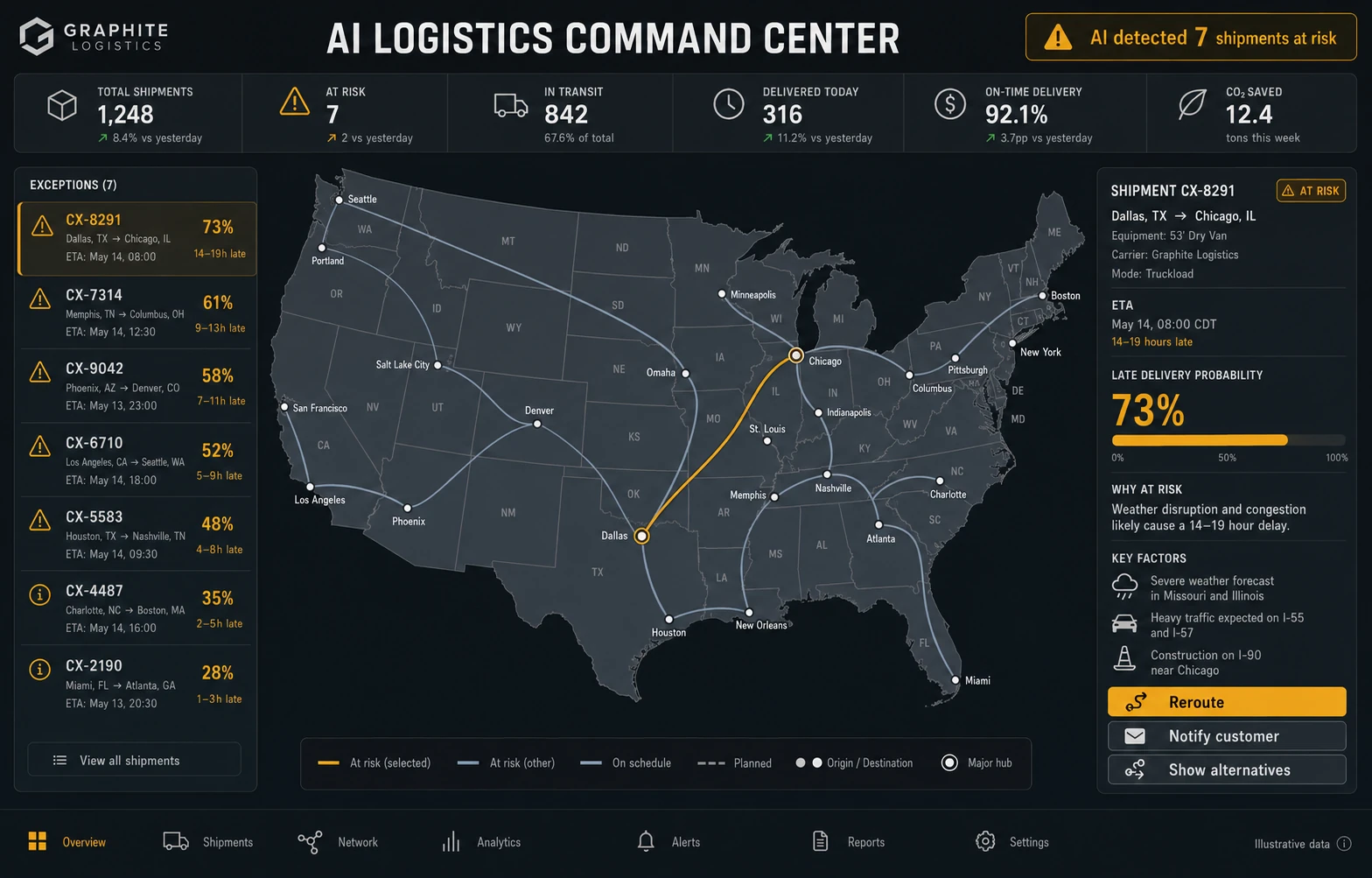
Explore the product interfaces and project work featured in our portfolio. A useful AI experience connects the interface to the data, workflows and systems underneath it.
Explore our work →We can connect agent workflows to Go, Python, Laravel, Node.js and NestJS backends, with review and approval interfaces in React, Vue.js or Svelte. The integration follows the application’s existing permissions and data access rules.
Tell us what you want to make possible. We’ll help you define a useful next step.
Most products combine a few capabilities. Explore the services that support the next part of your roadmap.